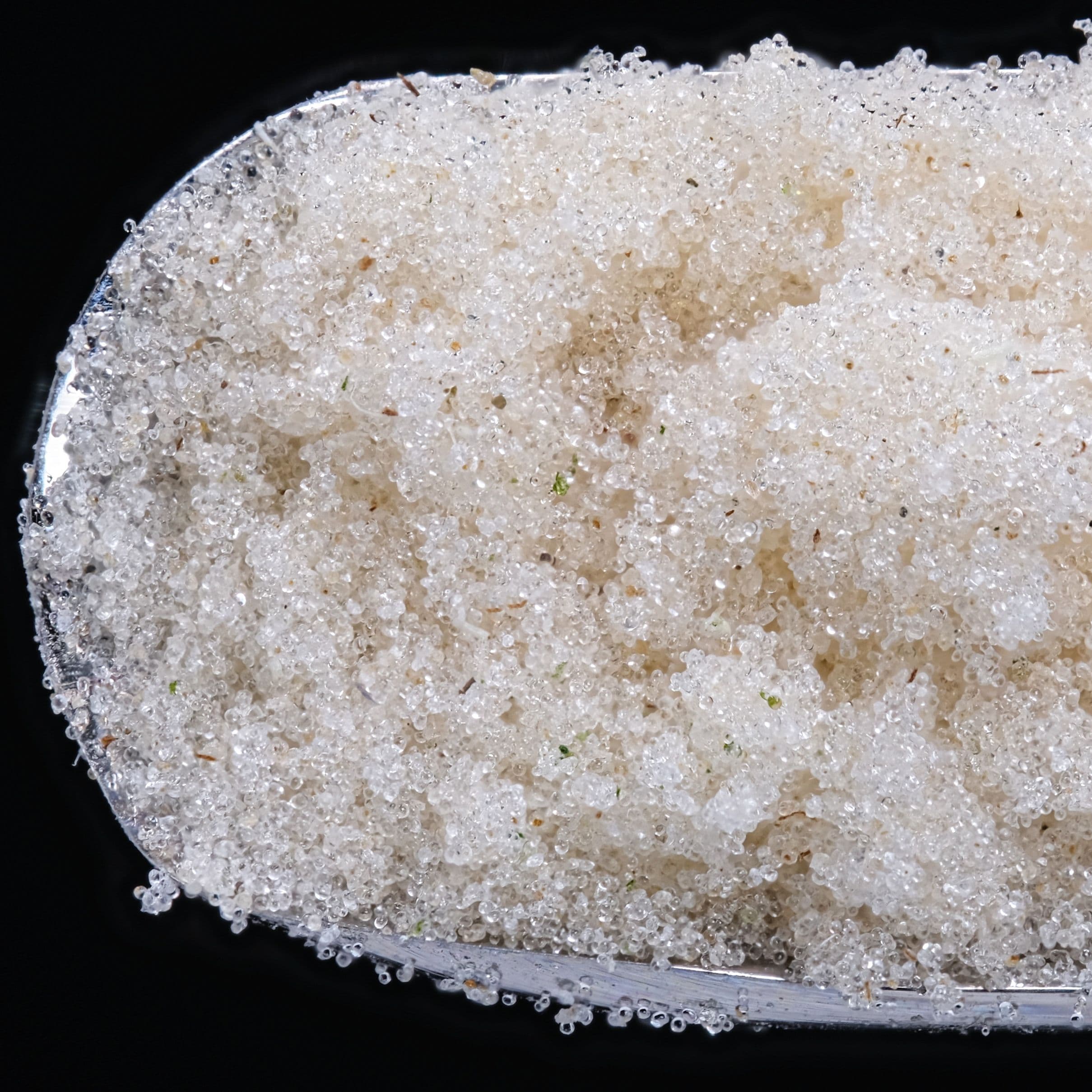
The Dirty Secret of the Hash World
Here's something most brands won't tell you: the strain that wins the flower cup almost never wins the hash cup. The cultivar that looks like a magazine cover on the dispensary shelf — dense, purple, caked in trichomes — might wash into mediocre bubble hash that presses into forgettable rosin. And the scraggly, medium-yielding plant in the corner that nobody would photograph? That one might produce the best hash you've ever tasted.
Growing for hash is a fundamentally different discipline than growing for flower. The selection criteria are different. The priorities are different. The traits that make a strain visually appealing on the shelf are not the same traits that make it produce world-class solventless concentrates. Understanding this distinction is where the craft of hash making really begins — not at the wash, not at the press, but at the seed.
What Makes a Good Hash Strain
When we evaluate a cultivar for our hash program, we're looking at a specific set of characteristics that most flower growers never think about. Bag appeal, bud density, and trim appeal are irrelevant. What matters is what's happening at the trichome level.
Trichome density is the obvious starting point. We want plants that produce a heavy, even coating of capitate-stalked trichomes — the large, mushroom-shaped glands that contain the bulk of the cannabinoids and terpenes. But density alone isn't enough. Some strains produce a visually frosty appearance from a high concentration of smaller, sessile trichomes or cystolithic hairs that don't contain meaningful amounts of resin. Under a microscope, the difference is clear, but to the naked eye, both plants look "frosty."
Trichome head size is where things get more interesting. The ideal hash strain produces large, fully developed trichome heads — spherical glands swollen with resin that sit prominently atop their stalks. Larger heads mean more resin per gland, which translates directly to higher yields when washing. We're specifically selecting for heads that fall in the 73–120 micron range, where the purest full-melt hash lives.
Stalk integrity is a factor most people never consider, but it's critical for ice water extraction. When we wash flower, we're using cold water and agitation to snap trichome heads off their stalks. Ideally, the stalk breaks cleanly at the base of the head, releasing a pure resin gland with minimal stalk material attached. Some strains have trichomes with weak, brittle stalks that fracture easily — these wash beautifully. Others have trichomes with tough, fibrous stalks that resist separation or break in the middle, leaving stalk fragments attached to the head. That contamination affects melt quality and flavor.
Resin consistency varies more than people realize. Some strains produce trichome heads filled with a thick, greasy resin that flows beautifully when pressed. Others produce heads with a drier, more waxy resin that yields less oil under the same pressing conditions. The greasy phenotypes are what we're after — they produce live rosin with better texture, better flavor, and higher yields.
The Phenotype Hunt
Cannabis is a wildly variable plant. Even within a single strain — a pack of seeds from the same cross — individual plants can express dramatically different traits. Some will be tall and stretchy, others short and bushy. Some will finish in eight weeks, others in eleven. And crucially for our purposes, some will produce exceptional hash while their siblings produce average hash from the same genetic lineage.
This is why pheno hunting is such a critical part of our process. When we run a new cultivar, we typically pop an entire pack of seeds — sometimes 20, 30, or more — and grow them all out through a full cycle. Every plant gets washed individually, and the resulting hash is evaluated for yield, melt quality, flavor, and effect.
The selection rate is brutal. Out of a full pack, we might find one or two phenotypes that meet our standards. Sometimes we find none, and the entire cultivar gets cut from the program. The plants that make the cut get cloned and added to our mother library, where they'll be maintained and propagated for future runs. The rest, no matter how beautiful they looked in the garden, get composted.
This process is expensive, time-consuming, and often disappointing. But it's the only way to build a library of cultivars that consistently produce world-class hash. You can't shortcut pheno selection. You have to grow them, wash them, press them, and taste them. There's no other way to know.
You don't pick hash strains with your eyes. You pick them with your wash bags, your press, and your palate. Everything else is guessing.
Common Traits of Great Hash Cultivars
After years of pheno hunting and washing hundreds of different strains, patterns emerge. While there are always exceptions, certain genetic backgrounds tend to produce better hash than others.
Tropical and equatorial genetics — strains with lineage tracing back to Thailand, Colombia, Hawaii, or other tropical regions — often produce trichomes with large heads and high terpene content. These plants evolved in intense UV environments, and trichome production is one of the plant's primary UV defense mechanisms. More UV stress historically meant more resin production, and those genetics carry that trait forward.
Chemdog and OG lineages have long been hash-world favorites. The original Chemdog, OG Kush, and their countless descendants tend to produce the greasy, large-headed trichomes that wash and press exceptionally well. There's a reason these genetics dominate the solventless market — they've been proven over decades of hash making.
Cookie and Gelato crosses have emerged more recently as hash-world darlings. The GSC (Girl Scout Cookies) and Gelato families, particularly when crossed with high-resin partners, can produce extraordinary wash results. Their terpene profiles tend to be dessert-forward — sweet, creamy, doughy — which translates into live rosin with almost candy-like flavor.
Genetics to approach cautiously include many of the modern "exotics" bred primarily for bag appeal. Strains selected for extreme purple coloration, unusual bud structure, or eye-catching appearance don't always translate to great hash. The anthocyanins that produce purple color can actually contribute a slightly bitter or vegetal note in concentrates. Beautiful flower doesn't always mean beautiful hash.
Beyond Yield: Selecting for Flavor and Effect
Yield matters — nobody wants to wash a strain that produces a 2% return — but it's not the only consideration, and it's not even the most important one. We'd rather run a strain that yields 4% but produces hash with an unforgettable flavor and a deeply satisfying effect than a strain that yields 8% but produces something generic.
The best hash strains are the ones that make you stop and pay attention. The ones where the first dab stops the conversation because everyone in the room needs to know what they just tasted. The ones where the effect is so specific and so layered — not just "strong" — that you remember the experience the next day.
We select for these qualities just as aggressively as we select for yield and melt quality. Our internal evaluation process includes blind tastings, effect journals, and side-by-side comparisons across phenotypes. If a strain doesn't make the cut on flavor or effect, it doesn't matter how well it washes.
The Living Library
Our mother library is the product of years of pheno hunting, washing, pressing, and tasting. Every cultivar in that room has earned its place by proving itself through the entire process — from seed to rosin. Some of those mothers have been in our library for years and continue to produce exceptional results run after run.
But the library is never finished. Cannabis genetics are constantly evolving, new breeders are doing incredible work, and our own palates and preferences develop over time. We're always running new seeds, always hunting for the next phenotype that might become a staple. The search is part of the craft, and the day we stop looking is the day we stop getting better.
Strain selection is where hash making begins. Everything else — the soil, the growing, the washing, the pressing — is about honoring the potential that was chosen at the seed. Get the genetics right, and the rest of the process has a chance to produce something extraordinary. Get them wrong, and no amount of skill downstream can compensate. That's the hash maker's truth, and it's why we'll never stop hunting.