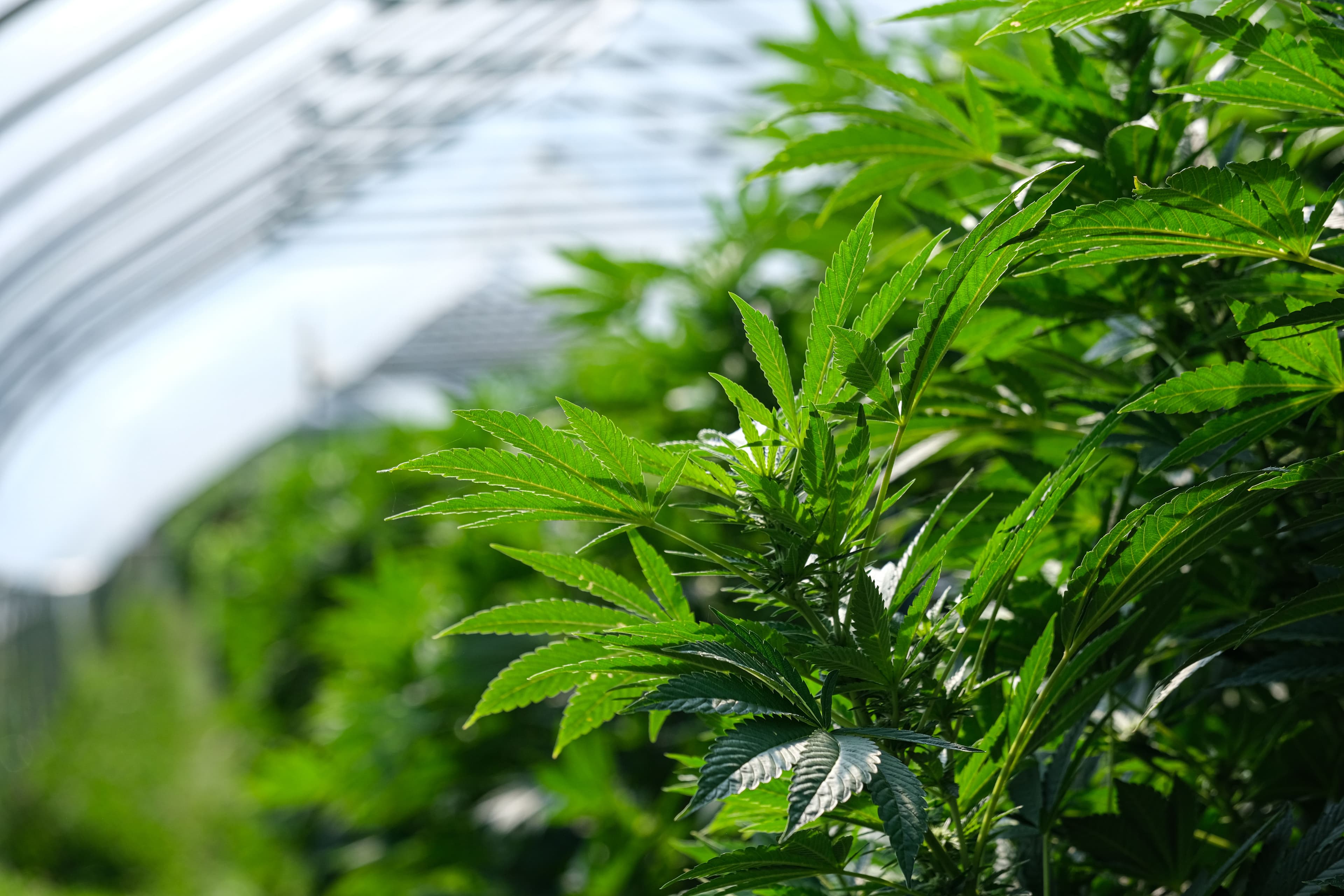
The Indoor Default
Somewhere along the way, indoor cannabis became synonymous with "good" cannabis. The logic made sense at the time — controlled environment means controlled quality. No weather risk, no pest pressure from the outside world, no neighbors calling the police because they can smell your garden from the road. Indoor growing was born from necessity during prohibition, and the industry carried that mindset forward into legalization.
But here's what nobody talks about: indoor cannabis is an ecological disaster, and the flower it produces — while often visually stunning — is consistently outperformed by well-grown outdoor and greenhouse flower in blind taste tests, terpene analyses, and wash results.
We're not anti-indoor. Some incredible flower comes from controlled environments. But the assumption that indoor is inherently better is one of the most persistent myths in cannabis, and it's worth examining.
The Full Spectrum
The sun produces a light spectrum that no LED or HPS fixture can replicate. Full-spectrum sunlight includes wavelengths from deep ultraviolet through visible light to far infrared — a continuous, complex spectrum that the cannabis plant has evolved under for millions of years.
Artificial lighting, even the best full-spectrum LEDs, produces a simplified approximation of sunlight. The spectrum is narrower, the intensity peaks are different, and the quality of light changes throughout the day are absent. Indoor plants grow under the same spectrum from seed to harvest. Outdoor plants experience a shifting spectrum as the sun moves across the sky, as the seasons change, and as clouds, humidity, and atmospheric conditions modulate the light quality hour by hour.
This matters because the plant responds to spectral quality, not just intensity. UV-B radiation — the wavelength responsible for sunburns — triggers trichome production as a defense mechanism. The plant produces more resin to protect its reproductive structures from UV damage. Outdoor plants in high-UV environments like Maine's clear summer skies consistently produce denser trichome coverage than indoor plants under even the most expensive lighting systems.
The shifting spectrum also drives more complex secondary metabolite production. When the light quality changes throughout the day and across the season, the plant produces a wider array of terpenes and flavonoids in response. This is why sun-grown cannabis often has more complex, layered terpene profiles — the plant is responding to a more complex light environment.
The sun is free, it runs on a schedule the plant has adapted to for millennia, and it produces a spectrum that no fixture can match. We'd be fools not to use it.
The Energy Question
An indoor cannabis facility uses enormous amounts of electricity. High-intensity lighting, HVAC systems, dehumidifiers, CO₂ supplementation, irrigation pumps — the energy footprint is staggering. Industry estimates put indoor cannabis cultivation among the most energy-intensive agricultural activities on the planet, consuming up to 2,000 kilowatt-hours per pound of dried flower.
Sun-grown cannabis uses the sun. The energy cost of outdoor cultivation is a fraction of indoor — primarily irrigation and basic infrastructure. No lighting costs. No HVAC. No dehumidification in the traditional sense. The environmental impact difference isn't marginal; it's orders of magnitude.
For a brand built on organic principles and environmental stewardship, the energy equation alone makes the decision obvious. We can't credibly claim to care about the soil, the water, and the ecosystem while burning enough electricity to power a small town just to simulate what the sun does for free.
The Stress Advantage
Indoor growers spend enormous effort eliminating environmental stress. Temperature is held steady. Humidity is managed to the percentage point. Airflow is uniform. Light is consistent. The plant grows in a bubble.
Outdoor plants experience stress constantly. Temperature swings between day and night. Wind whips the canopy. Rain hits the leaves. Insects probe the defenses. UV radiation beats down all day. The plant has to cope, adapt, and respond — and it does so by producing more secondary metabolites.
This is the biological mechanism behind terroir — the concept, borrowed from wine, that the specific environmental conditions of a growing site imprint themselves on the final product. A cannabis plant grown in Maine's climate, in Maine's soil, under Maine's sun, produces terpene and cannabinoid profiles that are distinct from the same genetics grown in Oregon or California. The stress is the flavor.
The wine industry understood this centuries ago. Nobody argues that greenhouse-grown grapes produce better wine than field-grown grapes from a great terroir. The cannabis industry will get there eventually. We're just not waiting for the consensus.
The Wash Results
This is where the argument gets concrete. We've washed the same genetics grown indoors and outdoors, side by side, using identical washing and pressing protocols. The results are consistent:
Terpene content is higher in sun-grown flower. Not always by a dramatic margin, but consistently and measurably higher. The monoterpene fraction — the volatile, aromatic compounds that drive flavor — is particularly elevated in outdoor material.
Trichome quality varies, but the best outdoor trichome heads are larger and more resinous than their indoor counterparts from the same cuts. The UV exposure drives head development in a way that artificial light doesn't fully replicate.
Hash flavor from sun-grown material is more complex. Indoor hash can be excellent — clean, potent, consistent. But sun-grown hash has layers. There are notes that emerge on the exhale, undertones that develop as the dab cools, a complexity that comes from a broader range of terpenes expressing at different ratios.
Yield is the one metric where indoor sometimes wins. Controlled environments can produce higher dry weights per plant through optimized CO₂, lighting, and nutrition. But in the solventless world, yield is secondary to quality. We'd rather wash a smaller amount of exceptional flower than a larger amount of good flower.
The Honest Trade-Offs
Sun-grown isn't perfect. There are real trade-offs that we navigate every season.
Weather risk is the obvious one. A late-season hailstorm, an early frost, or a week of rain during flower can damage or destroy a crop that took months to grow. Indoor growers don't lose sleep over weather forecasts. We check them obsessively from September through November.
Pest and disease pressure from the outdoor environment is real, though lighter in Maine than in most states. We manage it through biological controls, companion planting, and the natural pest suppression that comes from cold winters and healthy soil biology. But it requires constant vigilance.
Consistency is harder to achieve outdoors. Every season is different — different weather patterns, different pest pressure, different soil conditions. The flower from one year won't be identical to the flower from the next, even from the same cuts in the same beds. For a brand built on craft and terroir, this variability is a feature. For consumers who want identical product every time they buy, it can be a challenge.
Visual appeal can favor indoor flower. Controlled environments produce consistently dense, colorful, photogenic buds. Outdoor flower can look rougher — less uniform in density, occasional wind damage, the honest marks of a plant that grew in the elements. If you shop with your eyes, indoor might win. If you shop with your nose and your palate, sun-grown wins every time.
Why We Choose the Sun
At the end of the day, the decision to grow under the sun is philosophical as much as practical. We believe cannabis is a plant, not a product. It belongs in soil, under the sky, in the weather. The flower it produces under those conditions tells a story — of the season, the soil, the climate, the place. Indoor cannabis tells you about the skill of the grower. Sun-grown cannabis tells you about the land.
Both are valid. But we know which story we want to tell.