Not the Obvious Choice
When people hear we grow cannabis in Maine, the first question is always the same: why? The growing season is short. The winters are brutal. The state doesn't have the name recognition of California or Oregon or Colorado. On paper, it looks like a terrible decision.
On the ground, it's the best decision we ever made.
Maine has something that most legal cannabis states have lost or never had: a genuine farming culture. This isn't a state where agriculture is an abstraction. People here grow things. They raise animals. They compost. They save seed. They build soil. The knowledge base for organic, small-scale farming is deeper in Maine than almost anywhere else in the country, and that infrastructure — human, institutional, and ecological — is exactly what craft cannabis needs to thrive.
The Climate Argument
Yes, the growing season is short. From last frost to first frost, we're working with roughly five months of outdoor growing weather. That sounds like a limitation, and in some ways it is. But in every way that matters for quality, Maine's climate is an asset.
Long summer days — Maine sits at a high latitude, which means our summer photoperiod is significantly longer than what growers get in California or the Southwest. More hours of daylight means more photosynthesis, more vegetative growth, and more time for the plant to build the root system and canopy structure that supports heavy trichome production in flower.
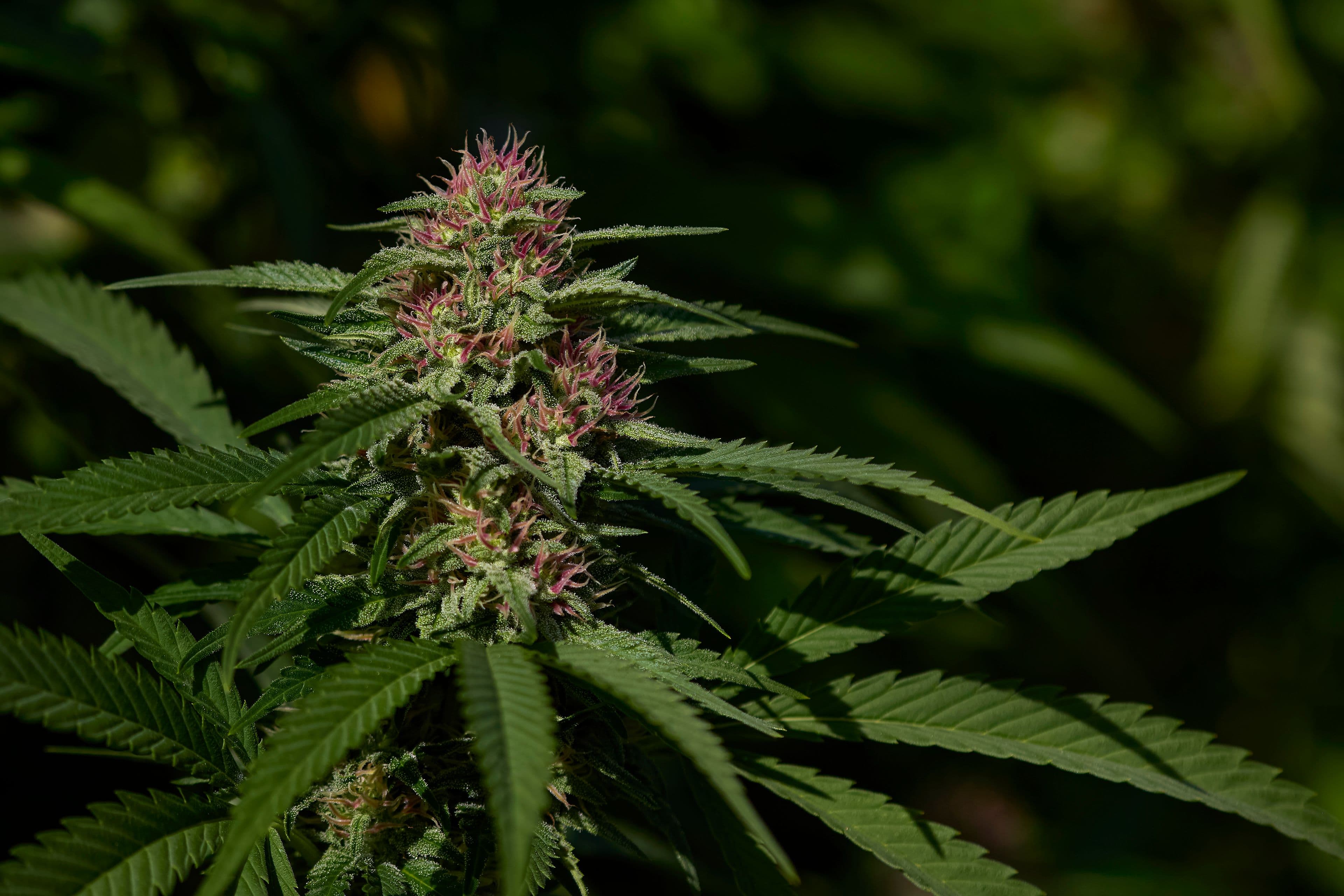
Cool nights — The temperature swing between day and night in Maine, particularly in late summer and early fall, is dramatic. These cool nights stress the plant in exactly the right way, triggering increased terpene and anthocyanin production. The same mechanism that makes New England fall foliage so spectacular produces cannabis with deeper colors and more complex terpene profiles.
Clean air and water — Maine has some of the cleanest groundwater in the country. Our well water is soft, low in dissolved minerals, and free of the heavy metals and municipal treatment chemicals that plague growers in urban markets. The air quality is equally exceptional. When you're growing living soil cannabis, environmental purity isn't a luxury — it's a prerequisite.
Hard winters — A real winter kills pests. Four months of frozen ground eliminates overwintering insect populations, fungal spores, and pathogens that plague growers in warmer climates. When spring arrives, we're starting with a relatively clean slate. Growers in California deal with mites, powdery mildew, and botrytis year-round because the climate never resets. In Maine, winter does the work for us.
Maine doesn't have a cannabis growing tradition because it hasn't needed one. It has a farming tradition — which is better.
The Soil
Maine's native soils are glacially derived — a mix of sandy loams, clay subsoils, and acidic forest duff that reflects the state's geological history. They're not perfect for cannabis out of the box. They tend to be acidic, low in calcium, and heavy in some areas.
But they're alive. Maine soils have never been subjected to the kind of industrial agricultural abuse that has sterilized farmland across the Midwest and Central Valley. The forests and small farms that have defined Maine's landscape for centuries have maintained soil biology that industrial monoculture destroyed elsewhere.
When we build our raised beds with custom living soil, we're working on top of a foundation that's already biologically active. The native mycorrhizal networks, the earthworm populations, the soil bacteria — they're all still here. We're not trying to rebuild biology from scratch in a sterile warehouse. We're supplementing an ecosystem that's been functioning for thousands of years.
The Community
Maine's cannabis industry was built by caregivers — the medical growers who operated for over two decades before recreational legalization. These weren't corporate entities or multi-state operators. They were farmers, often growing a few hundred plants in backyard greenhouses and hoop houses, selling directly to patients through the state's medical program.
This legacy matters enormously. It means Maine's cannabis culture is rooted in craft, not scale. The ethos is agricultural, not industrial. The conversations at Maine cannabis events are about soil recipes and cover crop mixes, not facility buildouts and extraction throughput. When we talk about living soil or closed-loop farming, people here understand what we mean because they've been doing it — or something like it — for years.
The state's regulatory framework reflects this culture. Maine has one of the most craft-friendly cannabis licensing structures in the country, with explicit protections for small growers and a market that rewards quality over volume. It's one of the few states where a brand like Helios can exist — where growing in living soil at small scale is commercially viable because the market values what we produce.
The Light
This one is personal, but it matters. The quality of light in Maine is different from anywhere else we've grown. The combination of latitude, maritime air, and seasonal angle produces a light that's soft, diffused, and rich in the blue and UV spectrum. Our outdoor plants respond to this light with vigorous trichome production — the plant's natural UV defense mechanism kicked into high gear by Maine's intense summer sun.
There's also something about the golden hour here — the way the light stretches across the garden in the early morning and late evening — that reminds you why you got into this in the first place. Cannabis is a plant. It belongs in the sun, in the soil, in the wind. Maine gives us that in a way that a warehouse in Massachusetts or a greenhouse in Oklahoma never could.
Rooted Here
We're not in Maine because it was convenient. We're here because everything about this place — the soil, the water, the climate, the community, the culture — aligns with how we believe cannabis should be grown. The limitations are real, but they're also what make the product exceptional. A short season forces intentionality. Cold winters force resilience. A small market forces quality.
Maine isn't trying to be the biggest cannabis state. It's trying to be the best. And for a brand built on living soil, solventless extraction, and uncompromising quality, there's no better place to be.